
The AI-Powered Inbound Receiving Assistance project is designed to simplify, accelerate, and improve warehouse receiving operations by allowing users to complete complex inbound tasks through natural-language chat instructions. Instead of manually navigating through multiple records, product rows, inventory locations, bins, batches, and serial number fields, warehouse users can interact with the AI assistant using simple instructions.
Goal of the Project
The AI-Powered Inbound Receiving Assistance project is designed to simplify, accelerate, and improve warehouse receiving operations by allowing users to complete complex inbound tasks through natural-language chat instructions. Instead of manually navigating through multiple records, product rows, inventory locations, bins, batches, and serial number fields, warehouse users can interact with the AI assistant using simple instructions. The system understands the request, identifies the correct inbound data, presents valid inventory options, and applies updates directly to the receiving screen. The main goal is to reduce repetitive manual work, minimize unnecessary clicks, improve receiving accuracy, and help warehouse users complete inbound transactions faster. The solution is especially useful when receiving multiple products, serialized items, batch-controlled products, or large quantities of inventory.
Current Situation
Currently, warehouse users must complete several manual steps before an inbound receiving transaction can be finalized. Users first need to search for the correct inbound logistics record using information such as the Purchase Order number, vendor, barcode, or logistics record name. After finding the correct record, users must manually select the required product line, assign inventory locations, choose storage bins, select batch or lot numbers, verify stock details, and provide serial numbers for serialized products. When several products are received at the same time, these activities become repetitive and time-consuming. Manual processing can also result in incorrect product selection, invalid inventory assignments, duplicate serial numbers, quantity mismatches, incomplete receiving information, and delays when users are unfamiliar with the process.
Planned Features and Improvements
Conversational Inbound Management: The AI allows warehouse users to search for inbound records and select receiving products directly through the chat. It can locate records using a Purchase Order number, vendor name, product barcode, or logistics record name. Once the record is identified, the AI retrieves the related products and helps the user select the correct receiving line using product details such as the product name, product code, barcode, or line reference. The selected row is then prepared for inventory assignment, batch selection, or serial number entry.
Intelligent Inventory Assignment: The AI retrieves available inventory locations and displays valid storage options for the selected product. Once a location is selected, the system retrieves the bins associated with that location and product. For batch-controlled or lot-controlled products, the AI can also retrieve batch and lot details, including stock quantities, expiry dates, inventory locations, and storage bins. Users can assign the required location, bin, batch, or lot directly through the chat, and the AI updates the correct receiving row after validating the selected values.
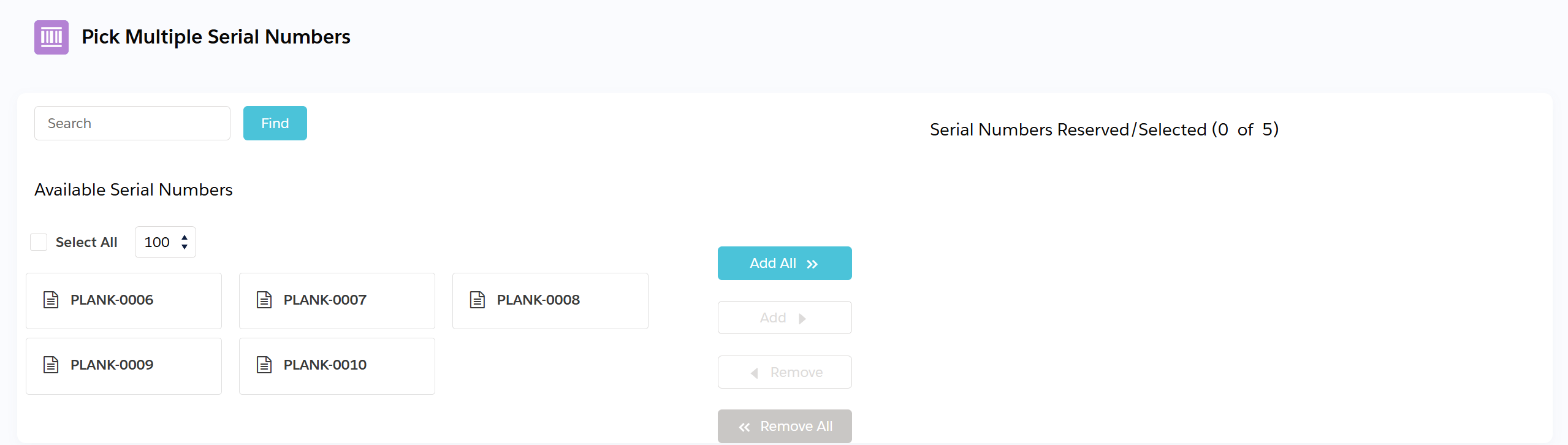
Smart Serial Number Automation: The AI helps users manage serialized products without manually entering every serial number. It identifies the receiving quantity, determines how many serial numbers are required, and generates them using configured naming patterns, sequences, prefixes, or business rules. Before assigning the generated serials, the system checks existing serial number records. If a duplicate is found, it is skipped and a new serial number is generated until the required number of unique serials is reached. This helps prevent duplicate values, missing serial numbers, incorrect formats, typing mistakes, and quantity mismatches.
Receiving Validation: Before finalizing any update, the AI validates the selected inbound record, product line, receiving quantity, inventory location, storage bin, batch or lot information, and serial numbers. For batch-controlled products, it validates the batch or lot, available stock, expiry information, and product relationship. For serialized products, it validates the serial count, duplicate serials, existing records, serial format, and the relationship between the product and serial numbers. If any required information is missing or invalid, the AI prevents the update and identifies what must be corrected. Only after all validations pass does the system update the selected receiving rows.
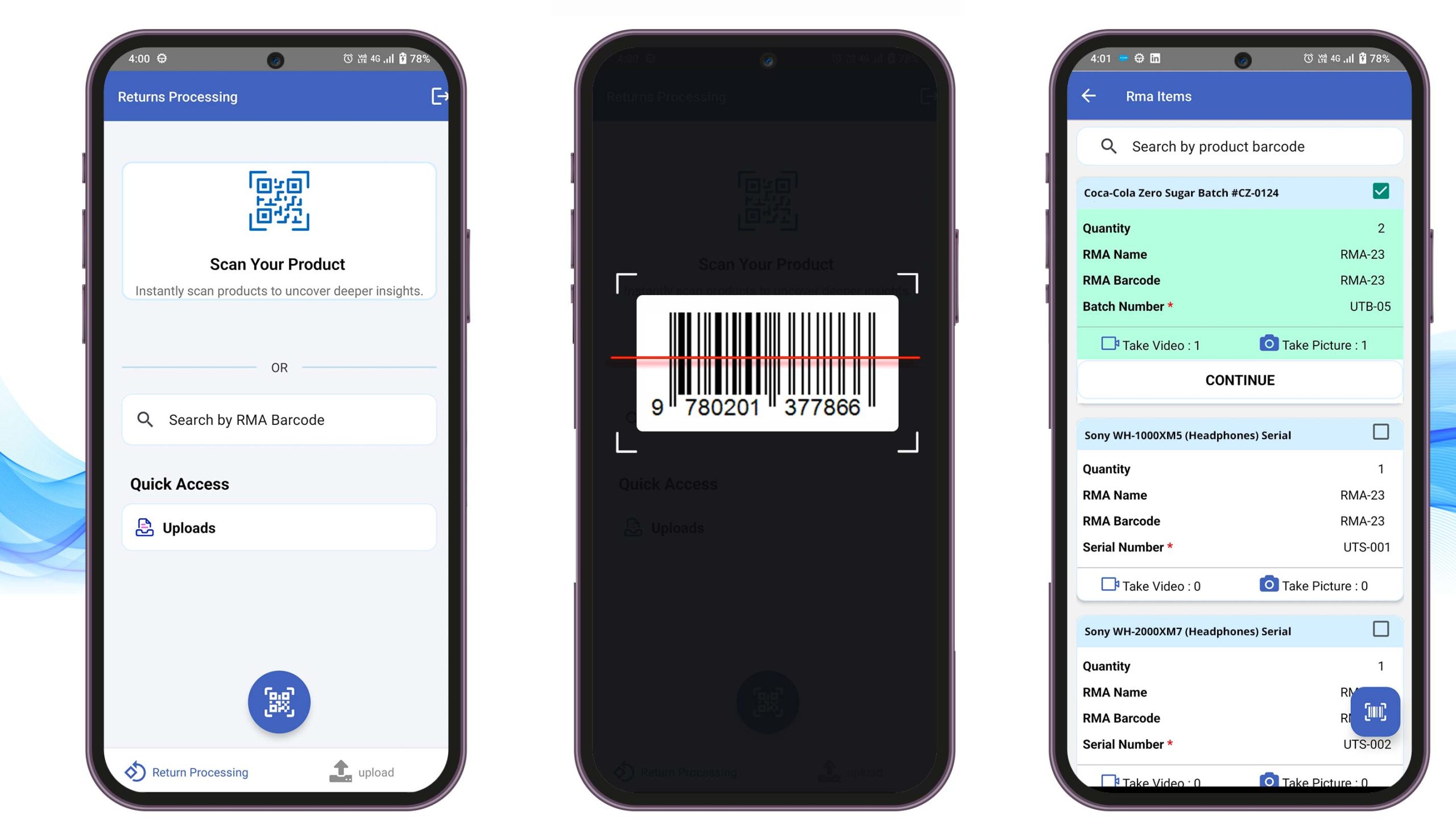
Context-Aware AI User Guidance: The AI assistant also provides built-in guidance for the complete Inbound Receive Logistics and Receive Inbound process. Users can ask for help with channel and distribution site selection, record searching, account filtering, barcode scanning, product receiving, location and bin assignment, batch handling, serial number entry, quality-check activities, and other receiving operations. Guidance is displayed through clear, step-by-step cards inside the chat, allowing users to move through each step without leaving the receiving screen. When a user is stuck, the AI explains the next required action. For scanning activities, it can guide users through preparing and using a physical scanner, selecting the correct scan-enabled field, processing scanned information, and resolving unrecognized or unmatched barcodes. This acts as context-aware documentation and reduces dependency on separate manuals or support teams.
What Makes This Solution Unique
The AI-Powered Inbound Receiving Assistance solution is not limited to answering questions or displaying instructions. It understands the active inbound context and performs real operations directly on the receiving screen. The AI can search inbound logistics records, identify matching records, display inbound products, select the correct receiving row, retrieve inventory locations and bins, display available batches and lots, show stock and expiry information, assign inventory values, generate serial numbers, detect duplicates, validate quantities, update receiving lines, and provide step-by-step user guidance. This creates an action-oriented AI assistant that connects with active Salesforce and inventory data, applies business rules, validates transactions, updates the screen, and supports users when assistance is required.
Availability
The AI-Powered Inbound Receiving Assistance functionality is currently active and available within the Inbound Receive Logistics and Receive Inbound screens. Warehouse users can use the AI chat to search records, select products, review inventory options, manage batch and serial information, validate receiving data, update inbound records, and access contextual guidance.
Summary
The AI-Powered Inbound Receiving Assistance project transforms inbound receiving from a manual, repetitive, and multi-step process into a faster and more intelligent conversational experience. By combining conversational record search, intelligent inventory assignment, serial number automation, duplicate prevention, receiving validation, and context-aware user guidance, the system reduces manual effort and helps prevent common warehouse errors. The solution improves receiving speed, inventory accuracy, warehouse productivity, and user experience with fewer clicks, fewer mistakes, and less dependency on external documentation.
How important is this to you?
Your answer helps our product team prioritise what ships next.
Thanks, your feedback was sent
It goes straight to the team building this feature.